Wisconsin Lyme Network

Lyme & Associated Disease Education

Membership | Newsletters | Events | Store

  • Home
  • Support
    • Treatment Options
    • Wisconsin Support Groups
  • Vector Borne Illnesses
    • Lyme Disease
      • Lyme Disease Diagnosis
      • Lyme Disease Related Research
      • Lyme Disease Statistics
    • Tick-Borne Disease 2018 Report
      • Ticks Bite and We Fight
    • Co-Infections
  • Education
    • All About Ticks
    • ILADS
      • ILADS Conference Notes
      • ILADS Published Protocols
      • ILADS Treatment Guidelines
      • In The News
    • Videos
    • Scholarships
  • Sponsors

Important Information Regarding Babesiosis

July 11, 2021 By Sherry Sievewright

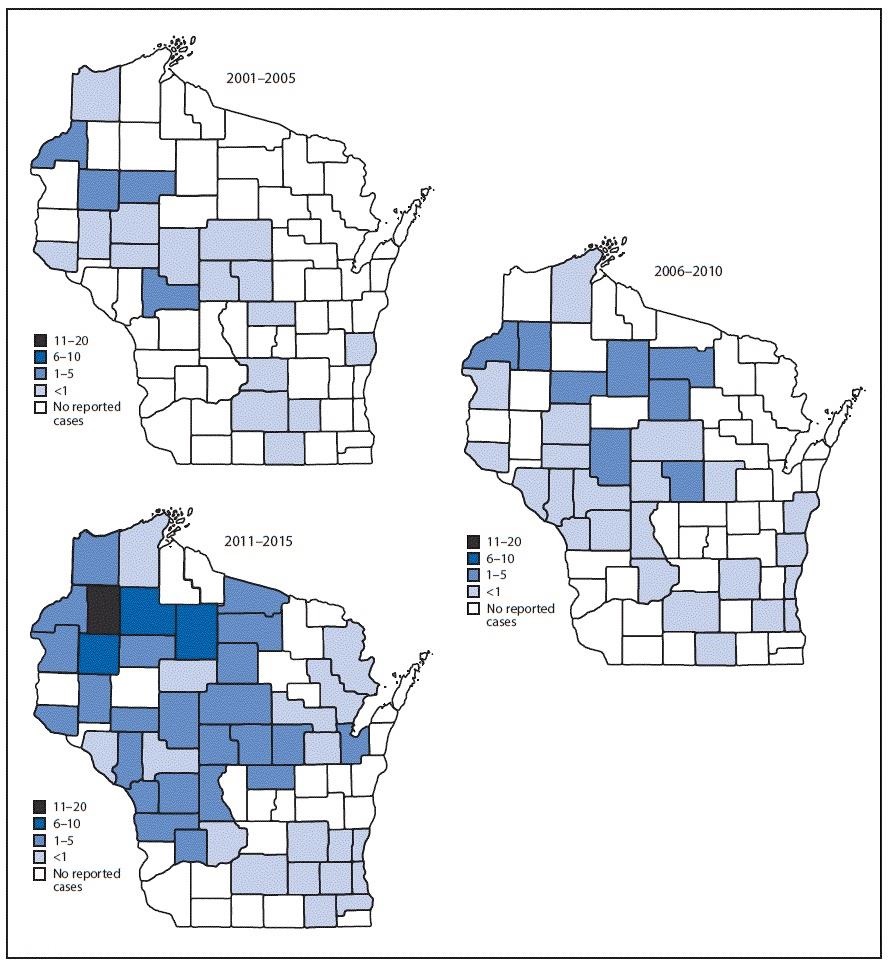
If you live in the state of WI you need to read the article that was written July 6 from Invisiverse regarding Babesiosis.  The CDC has compiled a report concluding their findings from a surveillance done within the state between 2001-2015.  The data observed was during three year intervals of surveillance during this time period and the numbers are astounding.  Please read the following two links and learn why we should be concerned in WI.

https://www.invisiverse.com/news/cdc-reports-2600-increase-tick-borne-babesiosis-infections-wisconsin-12-years-0178637/

https://www.cdc.gov/mmwr/volumes/66/wr/mm6626a2.htm?s_cid=mm6626a2_e

Filed Under: Co-Infections, In The News, Lyme Disease Related Research Tagged With: Babesiosis, CDC report, Wisconsin

Powassan Virus in Wisconsin

January 30, 2021 By Sherry Sievewright


Filed Under: Co-Infections, In The News, Vector Borne Illnesses

Co-Infections

December 2, 2021 By Sherry Sievewright

Lyme is just one of the infections that ticks can transmit. Here is a list of others. Click on them to see the symptoms associated with each infection.

Bartonella
Babesia
Ehrlichiosis
Rocky Mountain Spotted Fever
Mycoplasma
Tick Paralysis
Colorado Tick Fever
Colorado Tick Fever
Q Fever
Powassan Virus
Relapsing Fever
Tularemia
STARI

Filed Under: Co-Infections

Persistence of Borrelia burgdorferi in Rhesus Macaques following Antibiotic Treatment of Disseminated Infection

December 1, 2021 By Sherry Sievewright

Abstract

The persistence of symptoms in Lyme disease patients following antibiotic therapy, and their causes, continue to be a matter of intense controversy. The studies presented here explore antibiotic efficacy using nonhuman primates.

Rhesus macaques were infected with B. burgdorferi and a portion received aggressive antibiotic therapy 4–6 months later. Multiple methods were utilized for detection of residual organisms, including the feeding of lab-reared ticks on monkeys (xenodiagnosis), culture, immunofluorescence and PCR.

Antibody responses to the B. burgdorferi-specific C6 diagnostic peptide were measured longitudinally and declined in all treated animals. B. burgdorferi antigen, DNA and RNA were detected in the tissues of treated animals.

Finally, small numbers of intact spirochetes were recovered by xenodiagnosis from treated monkeys. These results demonstrate that B. burgdorferi can withstand antibiotic treatment, administered post-dissemination, in a primate host.

Though B. burgdorferi is not known to possess resistance mechanisms and is susceptible to the standard antibiotics (doxycycline, ceftriaxone) in vitro, it appears to become tolerant post-dissemination in the primate host.

This finding raises important questions about the pathogenicity of antibiotic-tolerant persisters and whether or not they can contribute to symptoms post-treatment.

View Entire Research Article

Filed Under: Co-Infections, Lyme Disease Related Research

Archive

  • Important Information Regarding Babesiosis July 11, 2021
  • Powassan Virus in Wisconsin January 30, 2021
  • Co-Infections December 2, 2021
  • Persistence of Borrelia burgdorferi in Rhesus Macaques following Antibiotic Treatment of Disseminated Infection December 1, 2021

About Wisconsin Lyme Network

  • facebook
  • youtube

Wisconsin Lyme Network is a statewide nonprofit organization whose mission is to raise awareness, provide education and support, and promote research for vector-borne illnesses to the patients, medical community and the general population in Wisconsin.

Privacy Policy

Most Recent Facebook Post

Wisconsin Lyme Network

4 hours ago

Wisconsin Lyme Network

Video

View on Facebook
·Share

Share on FacebookShare on TwitterShare on Linked InShare by Email

Copyright © 2020 · Website Created and Designed By Joseph Kotvis